
By Karla: How Tarot Cards Work: A Journey into Intuition and Self-Discovery
Tarot cards have captured the curiosity and imagination of people for centuries. They are often associated with psychics, magic, and astrology. But what exactly are tarot cards and how do they work? In this comprehensive guide, we will explore the fascinating world of tarot and delve into the realm of intuition and self-discovery.
Understanding Tarot Cards: A Brief Overview
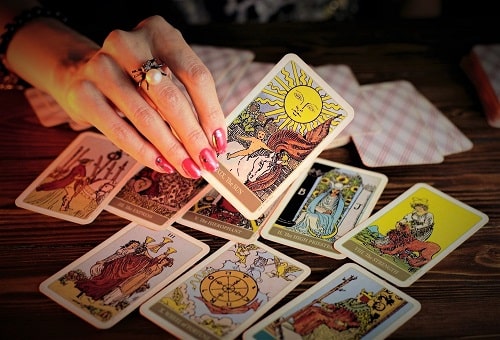
Tarot cards were originally developed as playing cards in the mid-15th century. Over time, they evolved into a powerful tool for divination and self-reflection. A typical tarot deck consists of 78 cards, divided into two main categories: the Major Arcana and the Minor Arcana.

The Major Arcana: Unlocking Life’s Mysteries
The Major Arcana is made up of 22 cards that represent significant moments and experiences in our lives. Each card in the Major Arcana has its own unique symbolism and meaning. These cards act as guides, offering insights into the deeper aspects of our journey. They provide a holistic view of our lives and help us navigate through challenges and opportunities.
The Minor Arcana: Everyday Trials and Lessons
The Minor Arcana consists of 56 cards, divided into four suits: Wands, Cups, Swords, and Pentacles. Each suit represents different aspects of our lives and reflects the ups and downs we encounter on a daily basis. The Wands signify creative energy and passion, the Cups represent emotions and relationships, the Swords symbolize thoughts and communication, and the Pentacles embody material resources and abundance.
How Do Tarot Cards Work?
Tarot cards work by tapping into our intuition and connecting us to our inner wisdom. They act as a mirror, reflecting the energy related to our question or situation. When reading tarot cards, it’s important to trust your intuition and allow the symbols, colors, and feelings evoked by the cards to guide you.
Trusting Your Intuition: The Key to Tarot Readings
When it comes to tarot readings, there is no right or wrong answer. It’s all about trusting your intuition and embracing a non-biased attitude. Tarot cards are not meant to predict the future with certainty, but rather to provide guidance and insights. By trusting your intuition, you can tap into the universal wisdom that speaks through the cards.
Symbols and Meanings: Unlocking the Language of Tarot
Tarot cards are rich in symbolism, with each card carrying its own unique message. The images, colors, and patterns on the cards all contribute to their meanings. As you begin to explore tarot, take the time to familiarize yourself with the symbolism of each card. Pay attention to the details and allow your intuition to guide you in deciphering their messages.
Sensations and Feelings: Connecting with the Energy of Tarot
When conducting a tarot reading, pay attention to the sensations and feelings that arise within you. Trust your instincts and allow yourself to be present in the moment. Notice any shifts in your energy as you interact with the cards. These sensations and feelings can provide valuable insights and guidance.
Inner Knowing: Embracing Your Intuition
Tarot readings are not about applying logic or overthinking. Instead, they are about tapping into your inner knowing. By quieting the mind and allowing your intuition to guide you, you can access deeper truths and insights. Trust the messages that arise from within and let your intuition be your guide.
How to Read Tarot Cards: A Beginner’s Guide
If you’re new to tarot, getting started can feel overwhelming. But fear not, with practice and patience, you can develop your tarot reading skills. Here are some steps to help you on your journey:
Step 1: Choose a Tarot Deck
Begin by selecting a tarot deck that resonates with you. The Rider-Waite tarot deck is a popular choice for beginners, as it provides detailed imagery and a comprehensive guidebook. However, feel free to explore other decks and find one that speaks to your intuition.
Step 2: Set Your Intention
Before conducting a tarot reading, it’s essential to set your intention. Think about the question or situation you want guidance on. Be clear and specific in your intention, as this will help focus your reading.
Step 3: Shuffle and Draw Cards
Once you’ve set your intention, shuffle the cards while focusing on your question or situation. Trust your intuition and draw the cards that feel right to you. The cards you select will form the basis of your reading.
Step 4: Interpret the Cards
As you lay out the cards, take the time to study each one and reflect on its meaning. Pay attention to the symbols, colors, and overall energy of the cards. Trust your intuition and allow the cards to speak to you. You can refer to the guidebook for additional insights, but always trust your own interpretations.
Step 5: Weave a Narrative
Once you have interpreted each card, weave them together into a cohesive narrative. Look for connections and patterns between the cards. Consider how they relate to your question or situation. The story that emerges from the cards will provide guidance and insights.
Trust Your Intuition: Embrace the Wisdom of Tarot
Tarot cards offer a profound opportunity for self-discovery and personal growth. By trusting your intuition and embracing the messages of the cards, you can gain valuable insights into your life’s journey. Remember, there is no wrong answer in tarot readings. The universe speaks through the cards, and it is up to you to listen and interpret their wisdom. So trust yourself, follow your intuition, and let the magic of tarot guide you on your path of self-discovery.
Blessings, Love and Light,
Karla

Latest posts by Karla (see all)
- Harnessing The Power of Manifestation - April 22, 2024
- Exploring the Mystical Bond of Soulmates - February 15, 2024
- Navigating the World As A Clairsentient & Embracing Your Gift - January 29, 2024